🐾Pawbiotics

Dogs

Dogs and Down Syndrome: Can Dogs Have It?

Published 2026-05-0310 min read

People sometimes search this when a dog looks or develops differently. This guide gives a respectful, simple explanation and focuses on practical veterinary next steps.

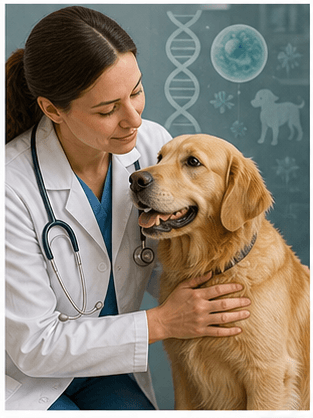
Veterinarian gently examining a dog for a respectful dog genetics and health guide
Dogs can have congenital or genetic conditions, but human Down syndrome does not map directly to dogs.
Educational guide only. This article does not replace a veterinary exam, diagnosis, or emergency care.
Section 1

Quick answer: can dogs have Down syndrome?

What this means

Dogs do not have Down syndrome in the same way humans do. Down syndrome is a human chromosomal condition involving chromosome 21. Dogs have a different chromosome structure, but they can have congenital, genetic, developmental, or hormonal conditions that create unusual appearance or behavior.

Section 2

Safety note

What this means

This article is educational and uses respectful language. If your dog has developmental delays, unusual facial features, poor growth, seizures, vision issues, or behavior changes, a veterinarian should evaluate the cause.

Section 3

Why the term is confusing

What this means

Owners may use the phrase because they notice a dog looks different, learns slowly, or has unusual movement. Those signs deserve care, but they do not confirm a human-style diagnosis.

Section 4

Possible explanations

What this means

Many medical and developmental issues can overlap visually.

Checklist

  • Congenital defects
  • Genetic syndromes
  • Hormonal disease
  • Neurologic conditions
  • Vision or hearing problems
  • Past injury or illness
Section 5

What to track

What this means

Clear notes help your vet decide which exam or tests make sense.

Checklist

  • Growth pattern
  • Walking or balance
  • Learning and behavior
  • Vision and hearing clues
  • Appetite and weight
  • Seizure-like episodes
Section 6

Common mistakes

What this means

Labels can delay useful care when owners stop at a search term.

Checklist

  • Assuming the cause from appearance
  • Skipping a full exam
  • Ignoring seizures or weakness
  • Using human labels as diagnosis
  • Missing pain or sensory problems
Section 7

When to Call a Vet

What this means

Call your vet for poor growth, abnormal movement, seizures, vision or hearing concerns, trouble eating, severe behavior changes, or any decline in comfort or quality of life.

Section 8

Key Takeaways

What this means

Use the search term as a starting point, not a diagnosis.

Checklist

  • Dogs do not have human Down syndrome exactly
  • Similar signs can have many causes
  • A vet exam is the useful next step
  • Respectful supportive care matters most

Frequently Asked Questions

Dogs can have genetic and congenital problems, but they are not the same as human Down syndrome. A veterinarian can evaluate signs and recommend testing if needed.

Different facial features, eye shape, size, movement, or behavior can come from many causes, including breed traits, congenital issues, injury, or illness.

Many dogs with special needs can have good quality of life with proper diagnosis, routine, pain control when needed, and supportive care.

It is better to describe the signs you see and let your veterinarian evaluate the cause. Human labels may not fit canine biology.

Bring videos, growth history, behavior notes, appetite and weight changes, and any breeder or adoption medical records.

Read [early neurological symptoms in dogs](/blog/early-neurological-symptoms-in-dogs) for warning signs that need faster review.