🐾Pawbiotics

Dogs

Melatonin for Dogs: Uses, Safety, Dosage Questions, and Vet Warnings

Published 2026-05-0110 min read

Melatonin is commonly discussed for dog sleep and anxiety, but it is still a supplement that needs careful use. This guide explains when owners ask about it, what risks matter, and why product labels deserve close attention.

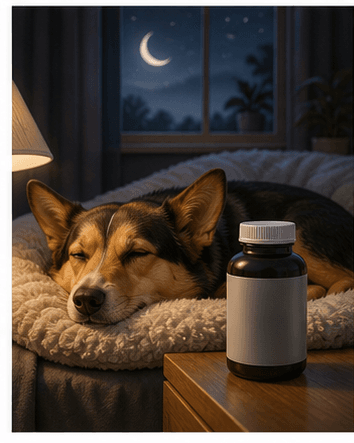
Calm dog resting near a pet-safe supplement bottle in a nighttime setting
Melatonin should only be considered with careful ingredient checks and veterinary guidance.
Educational guide only. This article does not replace a veterinary exam, diagnosis, or emergency care.
Section 1

Quick answer: melatonin for dogs

What this means

Melatonin may be used for some dogs under veterinary guidance, often for sleep, anxiety-related situations, or specific medical plans. Do not give it without checking ingredients, because some human products contain xylitol or other additives that are dangerous for dogs.

Section 2

Safety note

What this means

This article is educational and does not provide a dose. Your dog's safe plan depends on weight, health history, medications, reason for use, and product ingredients.

Section 3

Why pet parents ask about melatonin

What this means

Owners often ask about melatonin for nighttime restlessness, travel stress, noise sensitivity, or sleep-wake changes in older dogs. The right answer depends on the cause of the behavior.

Checklist

  • Sleep schedule disruption
  • Short-term situational stress
  • Noise or travel concerns
  • Senior dog restlessness
  • Vet-directed medical use
Section 4

Ingredient risks

What this means

The biggest avoidable risk is using the wrong product. Human gummies, liquids, and flavored tablets may contain sweeteners or additives that are not safe for dogs.

Checklist

  • Xylitol or birch sugar
  • Combination sleep aids
  • Essential oils
  • High sugar gummies
  • Unknown herbal blends
Section 5

Possible side effects

What this means

Side effects can vary by dog and dose. Sedation is possible, but paradoxical restlessness, digestive upset, or interaction concerns can also happen.

Checklist

  • Sleepiness
  • Digestive upset
  • Behavior change
  • Hormonal considerations
  • Medication interactions
Section 6

Questions to ask your vet

What this means

A vet can help decide whether melatonin matches the problem or whether pain, cognitive changes, anxiety, or illness needs a different plan.

Checklist

  • Is the behavior medical or situational?
  • Is this product ingredient-safe?
  • What timing is appropriate?
  • Could current medication interact?
  • What signs mean stop and call?
Section 7

Common mistakes

What this means

Melatonin can seem simple, but supplement mistakes are common.

Checklist

  • Using human gummies without checking ingredients
  • Guessing dose from the internet
  • Using it instead of diagnosing pain or anxiety
  • Combining with other calming products
  • Continuing despite side effects
Section 8

When to Call a Vet

What this means

Call your vet before use if your dog is pregnant, very young, elderly, medically complex, on medication, or showing new anxiety, confusion, pain, seizures, vomiting, or behavior change. Call poison control or emergency care if xylitol exposure is possible.

Section 9

Key Takeaways

What this means

Melatonin is not a casual one-size-fits-all fix.

Checklist

  • Check every ingredient
  • Ask your vet about dosing
  • Look for the cause of sleep or anxiety signs
  • Avoid human combination sleep products

Frequently Asked Questions

Some dogs may take melatonin under veterinary guidance, but it depends on the dog, reason for use, medications, and product ingredients.

Xylitol, also called birch sugar, is especially dangerous. Avoid combination sleep products, essential oils, and unclear herbal blends unless your vet approves them.

It may help some situational cases, but anxiety often needs behavior planning, environmental changes, or different medication. Ask your vet before relying on it.

Yes, sedation can occur. If your dog seems overly sedated, confused, restless, vomiting, or abnormal, contact your veterinarian.

Do not give human gummies unless your vet confirms the exact product is safe. Many contain sweeteners or additives that are risky for dogs.

Read [dog health guides](/dogs) and [how to choose a vet in Houston](/blog/how-to-choose-a-vet-in-houston) for care planning support.