🐾Pawbiotics

Dogs

Are Eggs Good for Dogs? Benefits, Risks, and Safe Serving Tips

Published 2026-05-0110 min read

Eggs can be a useful occasional food for many dogs, but they are not magic and they are easy to overdo. This guide covers safe preparation, portion thinking, and when eggs are not the right choice.

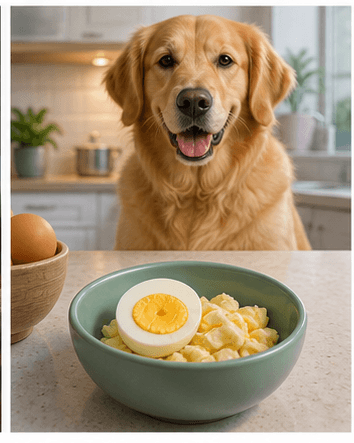
Plain cooked egg served safely in a dog bowl beside a happy dog
Plain cooked eggs can be an occasional extra for many healthy dogs when portions stay modest.
Educational guide only. This article does not replace a veterinary exam, diagnosis, or emergency care.
Section 1

Quick answer: are eggs good for dogs?

What this means

Plain cooked eggs can be safe and nutritious for many healthy dogs when served in moderation. They should not replace a balanced diet, and dogs with pancreatitis history, obesity risk, food allergies, or medical diets should follow veterinary guidance.

Section 2

Safety note

What this means

This article is educational. Ask your veterinarian before adding eggs if your dog has chronic disease, digestive sensitivity, weight concerns, or a prescription diet.

Section 3

Potential benefits

What this means

Eggs provide protein, fat, vitamins, and minerals. For healthy dogs, small portions can work as an occasional topper or treat.

Checklist

  • High-quality protein
  • Palatable meal topper
  • Useful for some picky eaters
  • Easy to prepare plainly
  • Small training-treat option when portioned
Section 4

How to serve eggs safely

What this means

Cook eggs plain without oil, butter, salt, garlic, onion, cheese, or seasoning. Start small and watch stool and appetite for the next day.

Checklist

  • Boiled or scrambled plain
  • No seasoning
  • No onion or garlic
  • Start with a small amount
  • Count it as extra calories
Section 5

Raw egg concerns

What this means

Raw eggs carry bacterial risk and can create avoidable food safety concerns. Cooked eggs are a more practical choice for most households.

Section 6

When eggs are not a good idea

What this means

Some dogs should avoid eggs or only eat them with a vet-approved plan. Extra fat and calories can matter for dogs with certain histories.

Checklist

  • Pancreatitis history
  • Obesity or strict weight-loss plan
  • Known egg allergy
  • Active vomiting or diarrhea
  • Prescription diet without vet approval
Section 7

Common mistakes

What this means

Most egg problems come from portion size or preparation.

Checklist

  • Feeding eggs daily without calorie planning
  • Adding butter, salt, or cheese
  • Using eggs to replace balanced meals
  • Trying eggs during active GI illness
  • Ignoring allergy or stool changes
Section 8

When to Call a Vet

What this means

Call your vet if your dog vomits, develops diarrhea, has hives, facial swelling, itch, belly pain, lethargy, or repeated digestive upset after eating eggs.

Section 9

Key Takeaways

What this means

Eggs can be safe, but moderation matters.

Checklist

  • Cook plain eggs
  • Use small portions
  • Avoid during active stomach upset
  • Ask your vet for dogs with medical conditions

Frequently Asked Questions

Yes, many dogs can eat plain scrambled eggs without butter, oil, salt, cheese, onion, or garlic. Keep portions small.

Plain boiled egg can be safe for many healthy dogs. Remove the shell unless your vet has given a specific plan.

Raw eggs carry bacterial risk and are not the practical choice for most dogs. Cooked plain eggs are safer.

Do not use eggs as a treatment for diarrhea without vet guidance. Some dogs with GI upset may worsen with extra fat or new foods.

Frequency depends on size, calorie needs, and health status. Treat eggs as occasional extras, not a daily replacement for balanced food.

Read [dog food calculator](/tools/dog-food-calculator) for calorie context and [bleeding poop dog](/blog/bleeding-poop-dog) if stool symptoms include blood.