🐾Pawbiotics

Cats

Cats That Puke: Common Causes, Home Clues, and When to Call a Vet

Published 2026-05-0110 min read

Many cat owners are told vomiting is normal, but frequent puking should not be brushed off. This guide explains common causes, what to track, and when to seek veterinary help.

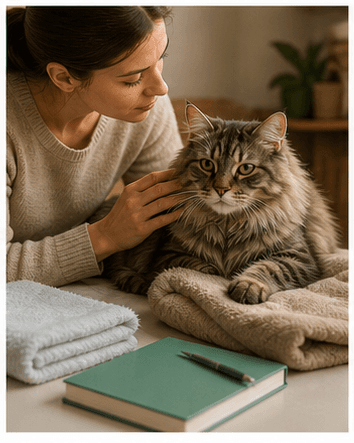
Concerned cat owner tracking vomiting symptoms with a calm cat nearby
Frequent cat vomiting deserves tracking and veterinary guidance, even when hairballs seem likely.
Educational guide only. This article does not replace a veterinary exam, diagnosis, or emergency care.
Section 1

Quick answer: cats that puke

What this means

Occasional isolated vomiting may happen, but repeated cat puking is not normal. Causes can include hairballs, eating too fast, diet sensitivity, parasites, toxins, foreign material, pancreatitis, kidney disease, thyroid disease, or other illness.

Section 2

Safety note

What this means

This guide is educational only. Cats can become dehydrated quickly, and repeated vomiting should be discussed with a veterinarian.

Section 3

Vomiting vs hairballs

What this means

Hairballs are often blamed for vomiting, but frequent hairball-like episodes can still signal overgrooming, skin disease, digestive disease, or motility problems.

Checklist

  • Actual hair tube or clump
  • Food vomit
  • Foam or bile
  • Liquid vomit
  • Vomiting with diarrhea or appetite loss
Section 4

Common causes

What this means

The pattern matters. Your vet will want to know frequency, timing, food relationship, appetite, weight trend, and litter box changes.

Checklist

  • Eating too fast
  • Hairballs or overgrooming
  • Food change or sensitivity
  • Parasites
  • Toxins or plants
  • Chronic disease in older cats
Section 5

What to track before calling

What this means

Clear notes help your vet triage the situation and decide whether testing is needed.

Checklist

  • How many times vomiting happened
  • What it looked like
  • Eating and drinking changes
  • Weight or energy changes
  • Any plant, string, toxin, or medication exposure
Section 6

What not to do

What this means

Do not give human nausea medicine or repeatedly change foods without guidance. Some vomiting causes need urgent care, not trial-and-error feeding.

Checklist

  • Do not give human medication
  • Do not wait through repeated vomiting
  • Do not ignore string or plant exposure
  • Do not assume hairballs explain everything
  • Do not force food if the cat seems unwell
Section 7

Common mistakes

What this means

Vomiting becomes riskier when owners normalize it for months.

Checklist

  • Calling weekly vomiting normal
  • Ignoring weight loss
  • Missing dehydration signs
  • Delaying senior cat bloodwork
  • Changing diets too fast
Section 8

When to Call a Vet

What this means

Call urgently for repeated vomiting, blood, suspected toxin or string ingestion, severe lethargy, dehydration, belly pain, no appetite, weight loss, or vomiting in kittens or medically fragile cats.

Section 9

Key Takeaways

What this means

Frequent vomiting is a health signal.

Checklist

  • Track frequency and appearance
  • Do not assume all puking is hairballs
  • Escalate quickly with appetite or energy changes
  • Older cats need prompt review for new vomiting

Frequently Asked Questions

No. Occasional isolated vomiting may happen, but frequent vomiting should be discussed with a veterinarian.

Possible reasons include eating too fast, food sensitivity, digestive disease, or regurgitation. Pattern and frequency matter.

Yes, but frequent hairball-like vomiting can still indicate a problem such as overgrooming, skin irritation, or digestive disease.

Repeated vomiting, blood, toxin exposure, string ingestion, severe lethargy, dehydration, pain, or no appetite should be treated as urgent.

Do not make repeated sudden diet changes. Call your vet, especially if vomiting repeats or your cat has other symptoms.

Read [cat gut health guide](/blog/cat-gut-health-guide) and [cat not drinking water](/blog/cat-not-drinking-water) for related digestive and hydration context.