🐾Pawbiotics

Dogs

Why Do Dogs Eat Poop? Causes, Prevention, and When to Call a Vet

Published 2026-05-0310 min read

Poop eating is unpleasant, but it is also common enough that vets and behavior professionals have a name for it: coprophagia. This guide explains practical next steps.

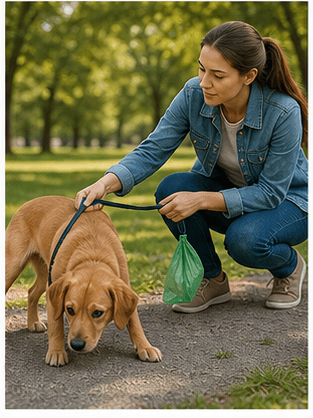
Dog owner redirecting a dog outdoors with a leash and cleanup bag for a poop eating guide
Fast cleanup, supervision, and enrichment are often the first steps for dogs that eat poop.
Educational guide only. This article does not replace a veterinary exam, diagnosis, or emergency care.
Section 1

Quick answer: why do dogs eat poop?

What this means

Dogs may eat poop because of curiosity, scavenging, habit, boredom, confinement, stress, attention-seeking, hunger, diet issues, or medical problems. Puppies may explore this behavior, but repeated coprophagia deserves a plan.

Section 2

Safety note

What this means

Poop can carry parasites, bacteria, or medication residues. If the habit is new, intense, or paired with appetite, weight, stool, or behavior changes, call your vet.

Section 3

Common behavior causes

What this means

Many dogs repeat the behavior because access is easy and the habit becomes rewarding.

Checklist

  • Puppy exploration
  • Scavenging habit
  • Boredom or low enrichment
  • Attention from owners
  • Stress or confinement
  • Learning from repeated access
Section 4

Possible medical causes

What this means

Medical causes are less common than simple access, but they matter.

Checklist

  • Digestive disease
  • Increased appetite from illness or medication
  • Poor nutrient absorption
  • Parasites
  • Diet mismatch
Section 5

How to stop access

What this means

Management is the first treatment because a dog cannot practice a habit it cannot reach.

Checklist

  • Pick up stool immediately
  • Supervise yard time
  • Use leash walks for control
  • Teach leave it
  • Reward coming away
  • Keep litter boxes blocked
Section 6

Training and enrichment

What this means

Punishment can make dogs secretive. Use redirection, reward-based training, puzzle feeders, exercise, and predictable routines.

Section 7

Common mistakes

What this means

The habit often persists when cleanup and supervision are inconsistent.

Checklist

  • Yelling after the fact
  • Letting the dog rehearse the behavior
  • Ignoring hunger or stool changes
  • Skipping parasite checks
  • Expecting supplements to fix everything
Section 8

When to Call a Vet

What this means

Call for sudden poop eating, weight loss, diarrhea, vomiting, increased hunger or thirst, poor coat, stool changes, or if your dog may have eaten feces from another sick animal.

Section 9

Key Takeaways

What this means

Coprophagia usually needs both management and investigation.

Checklist

  • Remove access quickly
  • Use reward-based redirection
  • Rule out medical causes when signs change
  • Improve enrichment and routine

Frequently Asked Questions

Some puppies explore poop as part of curiosity, but it should still be managed early so it does not become a habit.

Yes. Dogs can be exposed to parasites, bacteria, viruses, or medication residues depending on the source.

Home tricks are unreliable. Management, cleanup, training, enrichment, and veterinary review are more useful.

Cat poop can smell food-like to dogs because of cat food protein content. Block litter box access and reward your dog for leaving it.

Punishment after the fact usually does not help and can increase sneaky behavior. Prevent access and reward better choices.

Read [my dog is having diarrhea](/blog/my-dog-is-having-diarrhea) and [dog probiotics for diarrhea](/blog/dog-probiotics-for-diarrhea).