🐾Pawbiotics

Dogs

Treatment for a Hot Spot on a Dog: What Helps and When to Call a Vet

Published 2026-05-0110 min read

Hot spots can appear quickly and become painful fast. This guide explains what pet parents can do first, what usually needs veterinary help, and how to reduce licking while the skin heals.

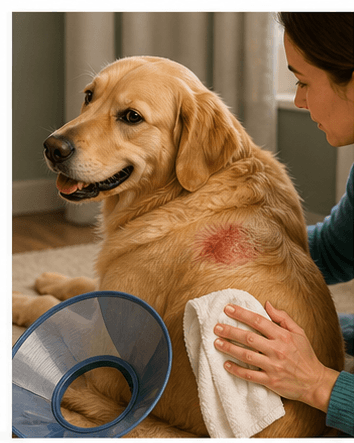
Dog with a mild non-graphic skin hot spot being cared for by an owner
Hot spots can worsen quickly when dogs keep licking or chewing the irritated skin.
Educational guide only. This article does not replace a veterinary exam, diagnosis, or emergency care.
Section 1

Quick answer: treatment for a hot spot on a dog

What this means

A dog hot spot should be kept clean, dry, and protected from licking. Mild irritation may improve with careful monitoring, but painful, spreading, wet, smelly, or bleeding hot spots need veterinary treatment.

Section 2

Safety note

What this means

This article is educational and is not a diagnosis. Do not apply human creams, essential oils, peroxide, or steroid products unless your veterinarian specifically recommends them for your dog.

Section 3

What a hot spot usually looks like

What this means

Hot spots are irritated skin patches that may look red, moist, raw, or crusted. Dogs often lick, scratch, chew, or rub the area because it feels itchy or painful.

Checklist

  • Red or inflamed skin
  • Moist or oozing surface
  • Hair loss around the sore
  • Strong licking or chewing
  • Odor or crusting in worse cases
Section 4

First steps you can take safely

What this means

Prevent licking first because repeated licking can make the sore larger. Use an e-collar or recovery collar if your dog keeps reaching the area. Keep the skin dry and avoid covering it tightly unless your vet gives bandage instructions.

Checklist

  • Stop licking and chewing
  • Keep the area dry
  • Use only pet-safe cleaning guidance
  • Take a clear photo to track spread
  • Book a vet visit if pain or moisture is present
Section 5

What your vet may do

What this means

Veterinary care may include clipping fur around the lesion, cleaning the skin, treating infection, controlling itch or pain, and looking for the trigger. Common triggers include allergies, fleas, ear problems, wet fur, and repeated friction.

Checklist

  • Skin exam
  • Safe clipping and cleaning
  • Medication if infection or inflammation is present
  • Flea or allergy plan when needed
  • Follow-up instructions to prevent recurrence
Section 6

Common mistakes

What this means

Most hot spot problems get worse when owners try too many products at once or wait while the lesion spreads.

Checklist

  • Using alcohol, peroxide, or essential oils
  • Letting the dog keep licking
  • Covering a wet sore with an airtight bandage
  • Assuming every sore is a simple hot spot
  • Stopping treatment as soon as the skin looks slightly better
Section 7

Practical checklist

What this means

Before calling your vet, gather details that help triage the issue.

Checklist

  • Where the sore is located
  • How quickly it appeared
  • Whether it is wet, bleeding, or smelly
  • How much your dog is licking
  • Any flea exposure, bathing, swimming, or allergy history
Section 8

When to Call a Vet

What this means

Call your veterinarian promptly if the hot spot is painful, spreading, wet, bleeding, smelly, near the ear or face, or paired with low energy. Same-day care is safest for large or rapidly worsening lesions.

Section 9

Key Takeaways

What this means

Hot spots are common but can become painful infections quickly.

Checklist

  • Stop licking early
  • Avoid harsh home products
  • Vet care is often needed for wet or painful sores
  • Find the trigger to prevent repeat hot spots

Frequently Asked Questions

You can prevent licking, keep the area dry, and monitor a very mild spot, but many hot spots need veterinary cleaning and medication. If it is wet, painful, spreading, smelly, or bleeding, call your vet.

Avoid peroxide, alcohol, essential oils, human antibiotic creams, and steroid creams unless your vet specifically approves them. These can irritate skin or be unsafe if licked.

Hot spots can itch, burn, or hurt. Licking temporarily soothes the feeling but usually worsens inflammation and infection risk.

Healing time depends on size, infection, and the trigger. With proper treatment, many improve within days, but the skin and hair coat may take longer to fully recover.

Yes. Flea allergy, environmental allergies, food sensitivity, and skin irritation can all contribute to repeated licking and hot spot formation.

Read [why do dogs lick their paws](/blog/why-do-dogs-lick-their-paws) and [itchy skin condition guide](/health-conditions/itchy-skin) for related skin irritation patterns.