🐾Pawbiotics

Dogs

Why Do Dogs Lick Their Paws? Causes, Fixes, and Warning Signs

Published 2026-05-0110 min read

A little paw licking can be normal grooming, but repeated licking often means something is bothering your dog. This guide helps you separate routine behavior from allergy, pain, infection, or stress patterns.

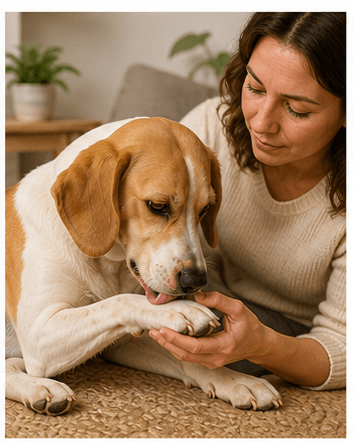
Dog licking a paw while an owner gently checks for irritation
Repeated paw licking can point to itch, pain, infection, allergies, or stress.
Educational guide only. This article does not replace a veterinary exam, diagnosis, or emergency care.
Section 1

Quick answer: why do dogs lick their paws?

What this means

Dogs lick their paws because of itch, allergies, skin irritation, injury, pain, infection, parasites, anxiety, or habit. Repeated licking, redness, swelling, odor, limping, or sores should be checked by a veterinarian.

Section 2

Safety note

What this means

This article is educational and does not replace an exam. Paw problems can look similar at home, so persistent licking needs proper diagnosis.

Section 3

Common medical causes

What this means

Paw licking often starts because the paw itches or hurts. Allergies are common, but injuries, foreign objects, yeast, bacteria, and nail problems can also trigger licking.

Checklist

  • Environmental or food allergies
  • Yeast or bacterial skin infection
  • Thorns, grass awns, or cuts
  • Nail injury
  • Parasites
  • Joint or paw pain
Section 4

Behavior and stress causes

What this means

Some dogs lick more when bored, anxious, or stressed. Behavior can also continue after an original skin problem has started healing, especially if licking became a habit.

Section 5

What to check at home

What this means

Look gently without forcing the paw. Stop if your dog seems painful or defensive, and ask your vet for help.

Checklist

  • Redness between toes
  • Swelling or heat
  • Broken nail
  • Odor or discharge
  • Cuts or stuck debris
  • Limping or sensitivity
Section 6

How to reduce damage

What this means

Prevent repeated licking while you arrange proper care. A recovery collar, clean dry paws, and limiting exposure to triggers can help reduce worsening.

Checklist

  • Use a cone if licking is intense
  • Dry paws after wet walks
  • Avoid harsh cleaners
  • Do not wrap tightly without vet guidance
  • Track when licking happens
Section 7

Common mistakes

What this means

Paw licking becomes harder to solve when the skin is allowed to stay wet and inflamed.

Checklist

  • Ignoring redness until sores form
  • Using human creams
  • Assuming it is only anxiety
  • Skipping flea prevention
  • Letting the dog lick after applying products
Section 8

When to Call a Vet

What this means

Call your vet for limping, swelling, bleeding, odor, discharge, open sores, constant licking, pain, or licking that keeps returning. Same-day care is best for severe pain or rapidly worsening skin.

Section 9

Key Takeaways

What this means

Paw licking is a clue, not a diagnosis.

Checklist

  • Check for itch, pain, and infection signs
  • Stop licking damage early
  • Allergies are common but not the only cause
  • Recurring licking needs a trigger plan

Frequently Asked Questions

Occasional grooming can be normal. Frequent licking, chewing, redness, odor, swelling, or limping is not something to ignore.

Yes. Paw licking is a common allergy-related sign, especially when it happens seasonally or with itchy ears, skin redness, or repeated infections.

Use a recovery collar to stop damage and contact your vet to identify the cause. Raw skin may need medical treatment.

Yes, stress can contribute, but medical causes should be ruled out first because itch and pain are very common triggers.

Gentle cleaning and drying can help some dogs, especially after allergens or mud exposure. Avoid harsh soaps and keep paws dry.

Read [treatment for a hot spot on a dog](/blog/treatment-for-a-hot-spot-on-a-dog) and [itchy skin condition guide](/health-conditions/itchy-skin).