🐾Pawbiotics

Cats

FIP in Cats: Symptoms, Diagnosis, Treatment Questions, and Hope

Published 2026-05-0311 min read

FIP can be frightening, but treatment options and veterinary guidance have changed in recent years. This guide explains the basics in simple language and helps owners prepare better questions.

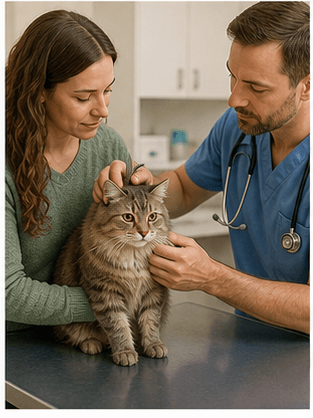
Concerned cat owner with a cat during a veterinary exam for FIP guidance
Suspected FIP needs prompt veterinary evaluation and careful follow-up.

Compare with similar dog symptom guides: Why is my dog breathing heavy?, Why is my dog coughing?.

Educational guide only. This article does not replace a veterinary exam, diagnosis, or emergency care.
Section 1

Quick answer: what is FIP in cats?

What this means

FIP stands for feline infectious peritonitis. It is a serious disease linked to feline coronavirus changes inside some cats. FIP can cause fluid buildup, fever, weight loss, eye or neurologic signs, and severe illness.

Section 2

Safety note

What this means

FIP is a serious condition. This article is educational and should not be used to diagnose or treat your cat at home. Contact your veterinarian quickly if FIP is suspected.

Section 3

Wet vs dry FIP

What this means

FIP patterns are often described as wet or dry, but real cases can overlap.

Checklist

  • Wet FIP may cause fluid in the belly or chest
  • Dry FIP may cause inflammation in organs
  • Eye changes can occur
  • Neurologic signs can occur
  • Fever and weight loss are common concerns
Section 4

Common signs

What this means

Symptoms can be vague at first and may look like other diseases.

Checklist

  • Persistent fever
  • Low appetite
  • Weight loss
  • Swollen belly
  • Breathing effort
  • Eye changes
  • Wobbliness or seizures
Section 5

Diagnosis basics

What this means

There is no single simple home test. Vets use history, exam findings, bloodwork, imaging, fluid analysis, and sometimes specialist input to build a diagnosis.

Section 6

Treatment conversations

What this means

Veterinary treatment discussions have changed as antiviral options have become more accessible in some settings. Your vet is the right person to discuss legal, safe, and case-specific options.

Section 7

Common mistakes

What this means

Fast action matters.

Checklist

  • Waiting through weight loss or fever
  • Trying unverified products
  • Skipping diagnostics
  • Assuming all coronavirus exposure means FIP
  • Stopping follow-up too soon
Section 8

When to Call a Vet

What this means

Call urgently for persistent fever, belly swelling, breathing effort, severe lethargy, not eating, eye changes, neurologic signs, or rapid weight loss.

Section 9

Key Takeaways

What this means

FIP is serious, but prompt veterinary care matters.

Checklist

  • Symptoms can be vague
  • Wet and dry patterns may overlap
  • Diagnosis needs a vet
  • Ask about current treatment options quickly

Frequently Asked Questions

FIP was historically considered almost always fatal, but treatment options have changed. Prognosis depends on the cat, disease pattern, timing, and veterinary treatment access.

Early signs may include fever, low appetite, weight loss, tiredness, or vague illness. Some cats later develop fluid, eye signs, or neurologic signs.

FIP itself is not usually considered contagious in the simple way owners fear, but feline coronavirus can spread among cats. Ask your vet about household risk and hygiene.

Diagnosis usually uses a combination of exam findings, bloodwork, imaging, fluid tests, and overall pattern. Your vet may recommend referral or additional testing.

In many regions, veterinarians can discuss antiviral treatment options that were not previously available through standard paths. Ask your vet about current legal and safe options.

Read [symptoms of kidney disease in cats](/blog/symptoms-of-kidney-disease-in-cats) and [why is my cat breathing heavy](/blog/why-is-my-cat-breathing-heavy).